

Recycled White PS Resin Material is becoming an increasingly attractive option for manufacturers seeking a balance between product appearance, processing stability, material cost, and sustainability. As an experienced recycled plastic manufacturer and supplier, JUWU develops this material from carefully selected white PS waste and applies sorting, cleaning, purification, whitening, and anti-yellowing processes to deliver a stable recycled resin solution for a variety of manufacturing applications.
For manufacturers, choosing recycled plastic is no longer simply about reducing raw material costs. Material consistency, color stability, processing performance, supply reliability, and quality control all directly affect production efficiency and finished-product quality. Recycled White PS Resin Material addresses these concerns by combining a clean white appearance with stable processing characteristics.
According to JUWU's product information, the material uses selected white polystyrene waste materials and undergoes multiple purification processes. Its initial yellowness index is controlled below 3, while the melt flow rate remains stable at approximately 10–12 g/10 min. With a reported production capacity of 2,400 tons per month, it can support both trial orders and larger-scale manufacturing requirements.
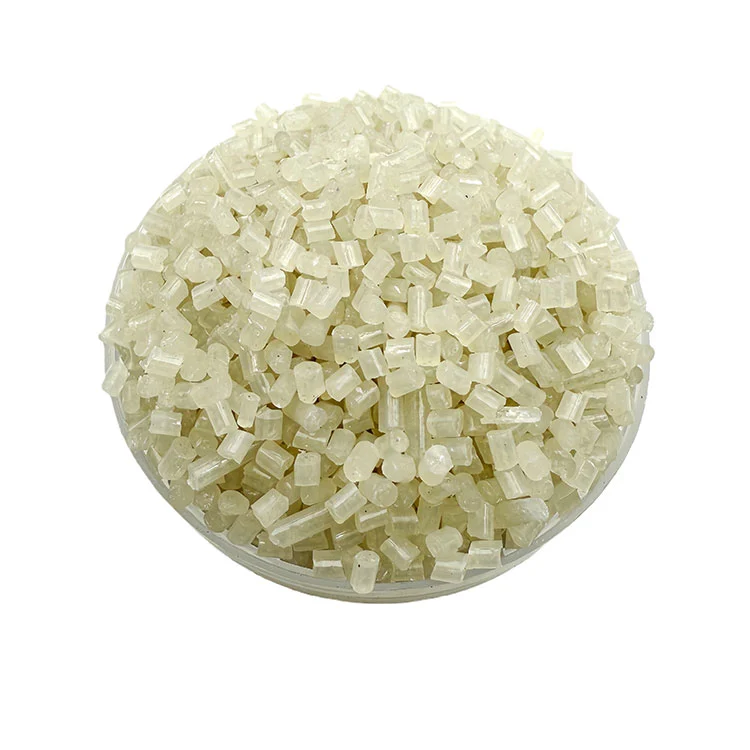
Table of Contents
- What Is Recycled White PS Resin Material?
- Why Do Whiteness and Anti-Yellowing Performance Matter?
- What Are the Key Advantages?
- What Technical Performance Should Buyers Evaluate?
- Where Can Recycled White PS Resin Material Be Used?
- How Does Quality Control Affect Recycled PS Resin?
- How Can Buyers Improve Supply and Logistics Efficiency?
- How Should Manufacturers Choose the Right Material?
- Frequently Asked Questions
- Conclusion
What Is Recycled White PS Resin Material?
Recycled White PS Resin Material is a recycled polystyrene-based raw material designed for manufacturers that need a consistent white appearance while incorporating recycled content into their production processes. Unlike ordinary recycled PS materials, white recycled resin requires more rigorous control because even small amounts of colored contamination can negatively affect the appearance of the finished product.
The production process begins with the selection of pure white PS waste materials. These materials are then subjected to sorting, deep cleaning, and purification to remove impurities and unwanted colored contaminants. A dedicated whitening and anti-yellowing formulation is subsequently used to improve color stability.
This approach allows recycled PS resin to become more suitable for appearance-sensitive products where color consistency is an important purchasing criterion.
Manufacturers looking for additional material options can also explore JUWU's Recycled White PS Resin Material product information for detailed sourcing considerations.
Why Do Whiteness and Anti-Yellowing Performance Matter?
Color is not merely a visual characteristic. For many consumer and industrial products, consistent color directly influences perceived quality and brand presentation. Recycled plastics traditionally face challenges such as discoloration, black spots, inconsistent batches, and yellowing after processing or prolonged use.
For white PS resin, these problems can become particularly noticeable. A slightly yellow or gray material may result in visible differences between production batches, increasing rejection rates and potentially requiring additional processing.
JUWU's Recycled White PS Resin Material is designed to address these concerns through controlled raw material selection and a dedicated anti-yellowing formulation. The initial yellowness index is stated to be below 3, helping manufacturers achieve a cleaner and more uniform white appearance.
- Improved white color consistency
- Reduced risk of visible colored impurities
- Better resistance to yellowing caused by heat and UV exposure
- More consistent appearance between production batches
- Suitable for products where clean visual presentation is important
What Are the Key Advantages?
Choosing a recycled resin should involve more than comparing purchase prices. Manufacturers should evaluate how the material performs throughout the entire production cycle. Recycled White PS Resin Material offers several practical advantages.
| Performance Area | Key Advantage | Manufacturing Value |
|---|---|---|
| Color | High whiteness and stable appearance | Improves finished-product consistency |
| Anti-Yellowing | Dedicated anti-yellowing formulation | Helps maintain appearance over time |
| Purity | Sorting, cleaning, and purification | Reduces visible impurities and processing concerns |
| Processability | MFR approximately 10–12 g/10 min | Supports injection molding and extrusion |
| Supply | Up to 2,400 tons monthly capacity | Supports stable large-volume sourcing |
| Cost | Recycled alternative to original white PS resin | Can help reduce raw material expenditure |
What Technical Performance Should Buyers Evaluate?
Before purchasing recycled PS resin, buyers should establish clear technical requirements. The correct material should match the processing equipment, product design, required appearance, and production conditions.
One important parameter is melt flow rate. JUWU reports a stable melt flow rate of approximately 10–12 g/10 min for this recycled white PS resin. This range can support common processing methods such as injection molding and extrusion, although manufacturers should always conduct compatibility testing under their own production conditions.
Color stability is another critical factor. A low initial yellowness index can be particularly valuable for white products, while consistent raw material preparation helps minimize batch-to-batch differences.
When evaluating a supplier, buyers should therefore examine:
- Melt flow rate and processing compatibility
- Whiteness and yellowness index
- Presence of black spots or foreign contaminants
- Mechanical property consistency
- Batch quality documentation
- Monthly production capacity
- Packaging and transportation protection
- Sample availability before bulk purchasing
Where Can Recycled White PS Resin Material Be Used?
The combination of white appearance and stable processing performance makes recycled white PS resin suitable for a range of applications. The specific application should always be confirmed through product testing and technical evaluation.
Consumer Electronics
Recycled white PS resin can be considered for small device housings, cable organization components, and other non-critical plastic parts where a clean, minimalist appearance is desired.
Household and Kitchen Products
Storage boxes, storage containers, and similar household products can benefit from a clean white appearance combined with practical processing characteristics.
Beauty Packaging
For suitable non-food-contact cosmetic packaging components, caps, containers, and secondary packaging parts, white recycled PS can provide an attractive appearance while supporting recycled-material objectives.
Office Supplies
File storage boxes, pen holders, organizers, and other office products can utilize white recycled PS resin where visual cleanliness and dimensional consistency are important.
JUWU also reports long-term cooperation with a UK beauty packaging customer, who recognized the material's color stability and environmental positioning as competitive advantages.
How Does Quality Control Affect Recycled PS Resin?
Quality control is especially important when sourcing recycled materials because incoming waste streams can vary significantly. Without proper separation and purification, unwanted colors and impurities may enter the final material.
JUWU operates a dedicated production line for white materials and uses an enclosed processing system designed to reduce cross-contamination. Quality checks reportedly cover whiteness, yellowness index, and mechanical properties, with compliance inspection documentation available for batches.
This type of process control can provide buyers with greater confidence when integrating recycled material into continuous manufacturing operations.
How Can Buyers Improve Supply and Logistics Efficiency?
Material quality is only one part of successful procurement. Reliable delivery is equally important for manufacturers operating continuous production lines.
JUWU reports a monthly production capacity of 2,400 tons and maintains warehouse resources close to the port. This location and inventory structure can help support international shipments and improve supply responsiveness.
The material is supplied in standard 25 kg bags and stacked on pallets to improve container loading efficiency. Packaging is designed to help protect the resin from moisture and contamination during transportation.
For buyers who are uncertain about material compatibility, requesting samples before placing a large order can be an effective procurement strategy. JUWU provides free samples and technical data sheets to support preliminary testing.
How Should Manufacturers Choose the Right Material?
A practical purchasing process should combine technical evaluation, commercial analysis, and supplier verification. Instead of selecting recycled PS resin based solely on price, manufacturers should assess the complete value of the material.
- Define the application: Identify the finished product, processing method, appearance requirements, and performance expectations.
- Check technical parameters: Review MFR, whiteness, yellowness index, mechanical properties, and impurity levels.
- Request samples: Test the resin on the actual production equipment whenever possible.
- Evaluate batch consistency: Confirm whether the supplier can maintain stable color and processing characteristics.
- Verify production capacity: Ensure the supplier can support both current demand and future volume increases.
- Review logistics: Consider packaging, warehouse location, shipping arrangements, and delivery lead times.
- Compare total cost: Include material price, processing efficiency, rejection rates, logistics costs, and potential quality-related losses.
This procurement approach can help manufacturers reduce the risks associated with switching from virgin PS to recycled alternatives while identifying opportunities for long-term cost and sustainability improvements.
Frequently Asked Questions
1. What is Recycled White PS Resin Material?
It is a recycled polystyrene resin made from selected white PS waste materials. The material is sorted, cleaned, purified, and processed with whitening and anti-yellowing techniques to achieve a more consistent white appearance.
2. What is the melt flow rate of JUWU's recycled white PS resin?
JUWU states that the melt flow rate is stable at approximately 10–12 g/10 min. Manufacturers should conduct their own processing trials to confirm suitability for specific equipment and product designs.
3. Is recycled white PS suitable for injection molding?
Yes. According to the product information, its stable melt flow characteristics make it suitable for processes including injection molding and extrusion. Actual processing parameters should be optimized according to the finished product and machine conditions.
4. How does JUWU control the whiteness of recycled PS resin?
JUWU selects pure white PS waste materials and applies sorting, deep cleaning, purification, optical whitening, and anti-yellowing processes. The reported initial yellowness index is below 3.
5. What packaging is used for the recycled white PS resin?
The material is supplied in standard 25 kg bags and arranged on pallets to improve container loading efficiency and help protect the resin during transportation.
6. Can buyers request samples before placing a bulk order?
Yes. JUWU provides free samples and technical data sheets, allowing customers to evaluate material compatibility before moving to larger-volume procurement.
Conclusion
Recycled White PS Resin Material offers manufacturers an opportunity to combine recycled-content objectives with practical requirements for appearance, processing stability, supply reliability, and cost control. With carefully selected raw materials, dedicated white-material processing, a reported yellowness index below 3, stable MFR of approximately 10–12 g/10 min, and a monthly production capacity of 2,400 tons, JUWU provides a recycled PS solution designed for diverse manufacturing applications.
If you are evaluating recycled white PS resin for injection molding, extrusion, packaging components, household products, office supplies, or other applications, choosing the right supplier and validating the material through samples and technical testing are essential steps. For customized sourcing requirements, technical information, samples, pricing, or bulk-order solutions, contact us today to discuss your application with the JUWU team and find a suitable recycled PS resin solution for your production needs.