

Abstract: Regenerated plastic pellets offer a sustainable and cost-effective solution for various industries. This article explores the benefits, applications, and considerations when sourcing regenerated plastic pellets for sale. By understanding the processes, types, and quality standards, businesses can optimize their production and reduce environmental impact.
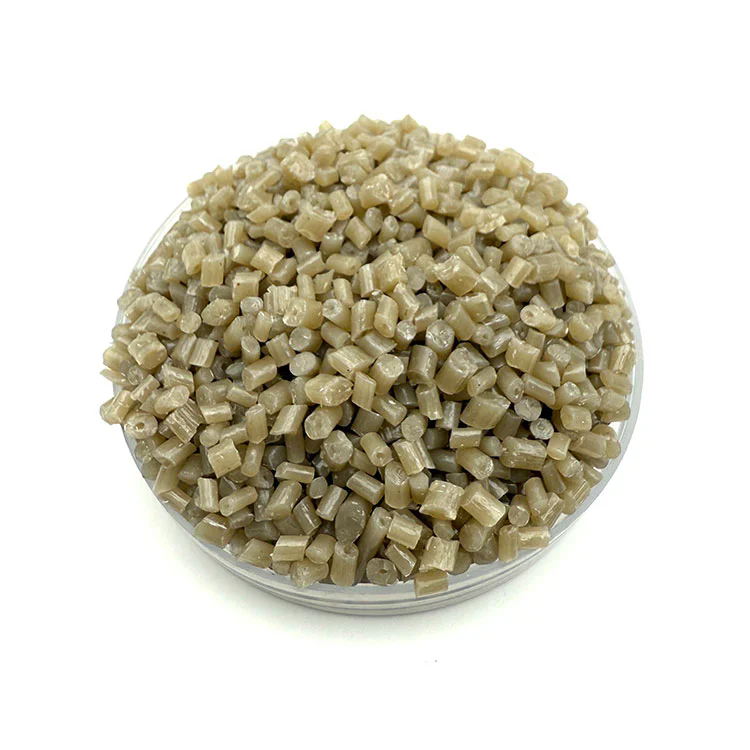
Table of Contents
- What Are Regenerated Plastic Pellets?
- Why Choose Regenerated Plastic Pellets?
- How to Buy Regenerated Plastic Pellets
- Types and Applications
- Quality Standards to Consider
- FAQ
- Contact JUWU
What Are Regenerated Plastic Pellets?
Regenerated plastic pellets are high-quality raw materials produced from recycled plastic waste. These pellets are processed to meet specific industry standards and can serve as substitutes for virgin plastics in manufacturing. The regeneration process involves:
- Collection of post-consumer or post-industrial plastic waste
- Cleaning and sorting of plastics by type and color
- Shredding and granulating into uniform pellet shapes
- Extrusion and quality testing to ensure consistency
The resulting pellets are ready for molding, extrusion, or other manufacturing processes, allowing businesses to reduce costs while promoting sustainability.
Why Choose Regenerated Plastic Pellets?
Businesses choose regenerated plastic pellets for several compelling reasons:
- Cost Efficiency: Regenerated pellets are typically less expensive than virgin plastics, reducing raw material costs.
- Environmental Impact: Using recycled plastics helps lower landfill waste and reduces the demand for fossil fuels.
- Versatility: Suitable for multiple applications, including packaging, automotive components, household goods, and construction materials.
- Consistency: Modern regeneration technologies ensure pellets have uniform size, color, and mechanical properties.
JUWU’s regenerated plastic pellets are particularly valued for their stable quality, ensuring smooth integration into production lines.
How to Buy Regenerated Plastic Pellets
Purchasing regenerated plastic pellets requires attention to supplier reliability and product specifications. Here’s a step-by-step guide:
- Identify Your Requirements: Determine the plastic type (PP, PE, PET, etc.), color, and mechanical properties needed for your products.
- Choose a Trusted Supplier: Suppliers like JUWU offer transparent quality reports and consistent product availability.
- Request Samples: Evaluate the pellets in your production process to confirm compatibility and performance.
- Check Certifications: Ensure compliance with industry standards such as ISO and REACH.
- Negotiate Pricing and Delivery: Discuss bulk discounts, logistics, and lead times for continuous supply.
Following these steps ensures a seamless experience when integrating regenerated pellets into your manufacturing line.
Types and Applications
Regenerated plastic pellets come in several types, each with unique properties suitable for specific industries:
| Type | Main Use | Key Benefit |
|---|---|---|
| PP (Polypropylene) | Packaging, automotive parts | High chemical resistance, lightweight |
| PE (Polyethylene) | Bottles, containers, pipes | Excellent durability, flexibility |
| PET (Polyethylene Terephthalate) | Beverage bottles, fibers | Strong, transparent, recyclable |
| PS (Polystyrene) | Food packaging, disposable items | Good rigidity, insulating properties |
These regenerated pellets can replace virgin plastics without compromising product quality, supporting cost reduction and environmental goals.
Quality Standards to Consider
When sourcing regenerated plastic pellets, certain quality standards are critical to ensure optimal performance:
- Purity: Minimal contamination from other plastics or foreign materials.
- Mechanical Properties: Consistent tensile strength, impact resistance, and flexibility.
- Moisture Content: Low moisture levels to prevent processing defects.
- Color Consistency: Uniform color for aesthetic and production consistency.
- Compliance: Adherence to ISO, REACH, and other relevant regulations.
JUWU ensures all regenerated plastic pellets meet these criteria, providing reliable materials for industrial use.
FAQ
- Q1: Are regenerated plastic pellets as strong as virgin plastics?
- A1: Modern regeneration techniques produce pellets with comparable mechanical properties suitable for most applications.
- Q2: Can I request custom color or grade?
- A2: Yes, suppliers like JUWU can produce pellets tailored to specific color, type, or property requirements.
- Q3: How do regenerated pellets reduce environmental impact?
- A3: By recycling plastic waste, fewer resources are consumed, and landfill burden is reduced, supporting circular economy practices.
- Q4: What is the typical delivery lead time?
- A4: Depending on order size and customization, delivery usually ranges from 2 to 6 weeks.
Contact JUWU
Ready to upgrade your production line with high-quality regenerated plastic pellets? JUWU offers a wide selection of pellets for various industries, ensuring cost efficiency and environmental benefits. Visit our product page to learn more or contact us today for personalized consultation and sample requests!