

How Is Recycled Brown PS Polymer Pellet Produced and Used?
Abstract
Recycled Brown PS Polymer Pellet is an increasingly important material in modern plastics manufacturing, offering a cost-effective and environmentally responsible alternative to virgin polystyrene. This article explains how it is produced, its key properties, industrial applications, common challenges, and how buyers can evaluate quality suppliers. It also highlights real-world use cases and provides practical guidance for procurement and production teams seeking stable and consistent recycled PS materials.
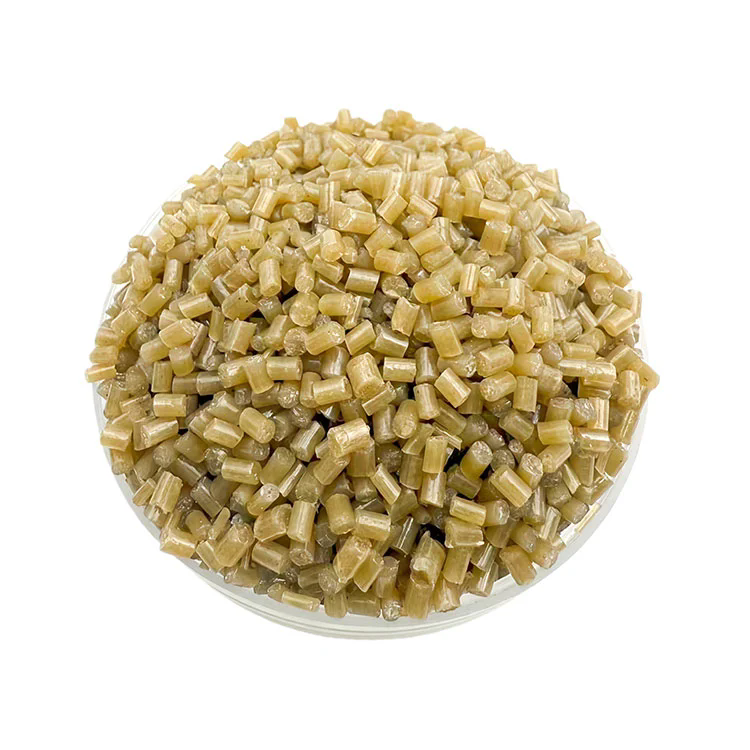
Table of Contents
Article Outline
- Definition and composition of recycled brown PS pellets
- Collection, sorting, and reprocessing workflow
- Physical and mechanical properties overview
- Use cases across packaging, insulation, and consumer goods
- Supply chain risks and quality variability issues
- Supplier evaluation criteria and testing standards
- Sustainability impact and circular economy relevance
What is Recycled Brown PS Polymer Pellet?
Recycled Brown PS Polymer Pellet is a reprocessed thermoplastic material derived from post-consumer or post-industrial polystyrene waste. Unlike virgin PS resin, these pellets are produced through mechanical recycling, where waste polystyrene is sorted, cleaned, melted, filtered, and pelletized into uniform granules. The brown coloration typically results from mixed feedstock or thermal history during reprocessing.
Despite its recycled origin, high-quality pellets maintain stable flow properties and mechanical strength, making them suitable for non-food-grade industrial applications such as insulation boards, plastic frames, packaging fillers, and molded components.
How It Is Produced
The production of Recycled Brown PS Polymer Pellet follows a controlled multi-stage recycling process designed to ensure consistency and usability in industrial applications.
- Collection: Waste PS materials are collected from industrial scrap, packaging waste, and discarded consumer products.
- Sorting: Materials are separated to remove contaminants such as metals, mixed plastics, and organic residues.
- Cleaning: Washing systems remove dirt, adhesives, and surface impurities.
- Shredding: Clean PS waste is mechanically shredded into flakes.
- Melting & Filtration: Flakes are melted and filtered to remove micro-impurities.
- Pelletizing: The molten polymer is extruded and cut into uniform brown pellets.
This controlled process ensures that the resulting material maintains consistent melt flow index (MFI) and structural integrity suitable for downstream manufacturing.
Material Properties
| Property | Typical Range | Description |
|---|---|---|
| Density | 1.04 – 1.06 g/cm³ | Stable density suitable for injection molding and extrusion |
| Melt Flow Index | 4 – 12 g/10min | Determines flow behavior during processing |
| Tensile Strength | 30 – 45 MPa | Moderate mechanical strength for industrial use |
| Color | Light to dark brown | Depends on feedstock purity and recycling cycles |
| Thermal Resistance | 70 – 90°C | Suitable for non-high-temperature environments |
Industrial Applications
Recycled Brown PS Polymer Pellet is widely used across industries that prioritize cost efficiency and material sustainability. Common applications include:
- Packaging materials such as protective trays and cushioning foam products
- Construction insulation boards and lightweight panels
- Injection-molded plastic household components
- Office supplies like frames, housings, and structural parts
- Non-food disposable products and industrial fillers
In many cases, manufacturers blend recycled PS with virgin resin to optimize performance while reducing production costs.
Key Advantages
- Cost Efficiency: Lower raw material costs compared to virgin PS.
- Resource Recovery: Reduces dependency on fossil-based feedstock.
- Processing Compatibility: Can be used in standard PS processing machines.
- Environmental Benefit: Helps reduce landfill plastic waste.
- Stable Supply Chain: Increasing availability due to recycling expansion.
These advantages make recycled PS pellets a strategic choice for manufacturers balancing sustainability goals with production efficiency.
Challenges and Pain Points
While valuable, Recycled Brown PS Polymer Pellet also presents several operational challenges:
- Inconsistent color and purity depending on feedstock source
- Variations in melt flow index affecting processing stability
- Potential odor issues if cleaning is insufficient
- Limited suitability for high-precision optical or food-grade applications
Manufacturers often address these issues through strict supplier qualification and blending strategies.
How to Choose a Reliable Supplier
Selecting the right supplier is critical to ensuring consistent quality and production efficiency. Consider the following criteria:
- Verified recycling and processing capabilities
- Stable batch-to-batch quality control systems
- Transparent material specifications and test reports
- Experience in exporting recycled polymer materials
- Ability to customize MFI and color requirements
A trusted supplier such as Ningbo JUWU International Trading Co., Ltd. provides industrial-grade recycled PS pellets with controlled quality standards and stable supply chain support.
Reference product page: Recycled Brown PS Polymer Pellet Product Information
Quality Control Standards
Quality control plays a vital role in ensuring the usability of recycled PS materials. Key inspection parameters include:
- Melt flow index testing for processability
- Moisture content control
- Ash content and impurity screening
- Color consistency evaluation
- Mechanical strength sampling tests
Advanced suppliers implement multi-stage filtration and automated monitoring systems to maintain stable output quality.
Environmental Contribution
Recycled Brown PS Polymer Pellet contributes significantly to circular economy systems by reducing plastic waste and lowering carbon emissions associated with virgin polymer production. By reintroducing post-consumer materials into manufacturing cycles, industries can significantly reduce environmental burden while maintaining production efficiency.
This material also supports corporate sustainability targets, helping companies comply with environmental regulations and improve lifecycle assessment performance.
FAQ
1. Is recycled brown PS suitable for food packaging?
No, it is generally not recommended for direct food contact applications due to variability in feedstock purity.
2. Can recycled PS replace virgin PS completely?
In many industrial applications, yes. However, high-precision or optical products may still require virgin material or blends.
3. Why is the color brown?
The brown color comes from mixed waste streams and repeated thermal processing cycles during recycling.
4. How can processing stability be improved?
Blending recycled PS with virgin resin and using additives can improve stability and consistency.
5. What industries benefit most?
Packaging, construction, consumer goods, and non-food industrial molding sectors benefit most.
Conclusion & Contact
Recycled Brown PS Polymer Pellet represents a practical and sustainable solution for industries seeking to reduce costs and environmental impact without compromising functional performance. With proper supplier selection and quality control, it can serve as a reliable material for a wide range of manufacturing applications.
For stable supply, technical support, and customized material solutions, please contact Ningbo JUWU International Trading Co., Ltd. to explore tailored options for your production needs.
Contact us today to get competitive pricing, technical datasheets, and sample availability for your industrial requirements.