

How Do Natural and Synthetic Resins Differ in Daily Use?
Resin is a versatile material that touches nearly every aspect of modern life. It is in the coating on a wooden table, the adhesive holding a shoe together, the plastic bottle holding water, and the composite material in an aircraft wing. But not all resins are the same. There are two broad categories: natural resins and synthetic resins. Natural resins are derived from plants and have been used for thousands of years. Synthetic resins are manufactured through chemical processes and have become the dominant material in modern industry. The differences between these two categories are significant, and they affect everything from performance and durability to cost and environmental impact. For consumers, manufacturers, and designers, understanding these differences is essential for making informed decisions about the products they use and create.
The question of how natural and synthetic resins differ in daily use is a question of chemistry, performance, and application. Natural resins are typically softer, more variable, and less resistant to environmental factors. They are used in applications such as adhesives, varnishes, and incense. Synthetic resins are harder, more uniform, and more durable. They are used in applications such as plastics, composites, coatings, and adhesives. The choice between natural and synthetic resins depends on the specific requirements of the application, including the required strength, durability, temperature resistance, and cost. This article will examine the differences between natural and synthetic resins in detail. We will cover their origins, their properties, their applications, and their advantages and disadvantages. We will also provide detailed specifications for our Resin Material products from our factory at Ningbo JUWU International Trading Co., Ltd.
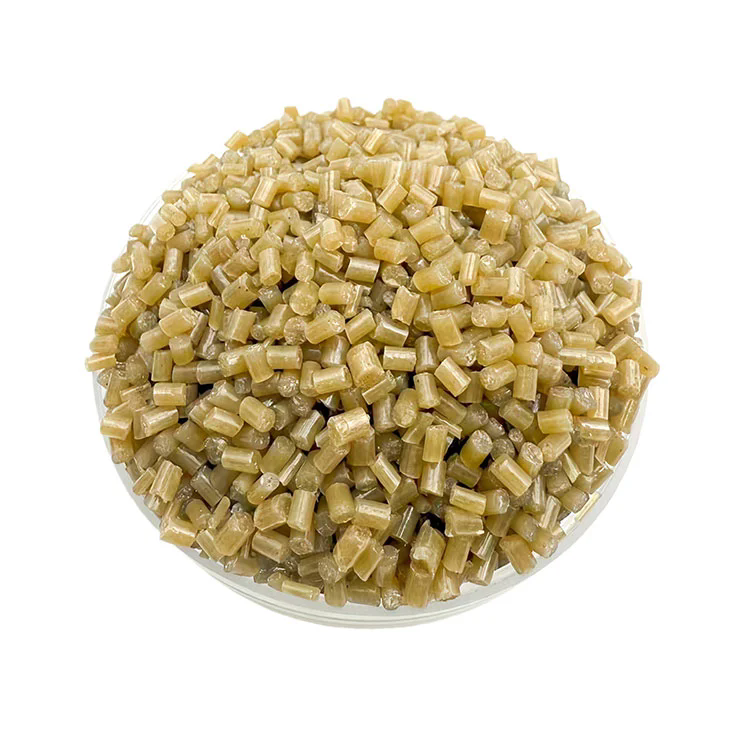
Table of Contents
- 1. What Are Natural Resins and Where Do They Come From?
- 2. What Are Synthetic Resins and How Are They Made?
- 3. How Do the Properties of Natural and Synthetic Resins Compare?
- 4. What Are the Common Applications of Each Resin Type?
- 5. What Are the Environmental and Economic Considerations?
- 6. How Do You Select the Right Resin for Your Application?
- 7. Frequently Asked Questions (FAQ)
- 8. Conclusion
1. What Are Natural Resins and Where Do They Come From?
Natural resins are solid or semi-solid organic substances that are produced by plants, particularly trees. They are exuded from the bark or other parts of the plant as a protective response to injury or infection. The resin hardens when exposed to air, forming a protective barrier. Humans have collected and used natural resins for thousands of years. The most well-known natural resins include rosin, which is derived from pine trees; shellac, which is secreted by the lac bug; amber, which is fossilized tree resin; and mastic, which is derived from the mastic tree. Natural resins are composed of a complex mixture of organic compounds, including terpenes, resin acids, and esters. Their composition varies depending on the plant species, the growing conditions, and the method of collection.
Natural resins are typically collected by tapping the tree, a process that involves making incisions in the bark and collecting the exuded resin. The resin is then processed to remove impurities and to concentrate the desired compounds. The properties of natural resins vary widely. Some are hard and brittle, while others are soft and sticky. Some are soluble in alcohol, while others are soluble in oil. Some are resistant to heat, while others melt at low temperatures. This variability is both an advantage and a disadvantage. It allows natural resins to be used in a wide range of applications, but it also makes them less predictable than synthetic resins. The table below summarizes the sources and properties of common natural resins.
| Natural Resin | Source | Key Properties | Common Uses |
| Rosin | Pine trees | Hard, brittle, soluble in alcohol | Adhesives, varnishes, soldering flux |
| Shellac | Lac bug | Hard, soluble in alcohol, good adhesion | Wood finishes, food coating, electrical insulation |
| Amber | Fossilized tree resin | Hard, durable, electrically insulating | Jewelry, decorative objects |
| Mastic | Mastic tree | Soft, pliable, soluble in oil | Varnishes, adhesives, chewing gum |
| Dammar | Dipterocarp trees | Hard, soluble in alcohol, glossy finish | Varnishes, lacquers, incense |
At Ningbo JUWU International Trading Co., Ltd., our factory supplies a range of natural resin materials for industrial and consumer applications. We source our natural resins from reputable suppliers and ensure that they meet our strict quality standards. Our technical team can assist with the selection of the right natural resin for your specific application.
2. What Are Synthetic Resins and How Are They Made?
Synthetic resins are manufactured through chemical processes, typically from petrochemical feedstocks. They are polymers, which are large molecules made up of repeating units called monomers. The monomers are linked together through polymerization reactions, which can be initiated by heat, light, or chemical catalysts. The properties of a synthetic resin are determined by the type of monomers used, the length of the polymer chains, and the degree of cross-linking between the chains. By carefully controlling these factors, manufacturers can produce synthetic resins with a wide range of properties, from soft and flexible to hard and rigid, from transparent to opaque, and from heat-sensitive to heat-resistant.
The most common synthetic resins include polyethylene (PE), polypropylene (PP), polyvinyl chloride (PVC), polystyrene (PS), and epoxy. These resins are used in a vast array of products, including packaging, pipes, toys, electronics, and adhesives. Synthetic resins have several advantages over natural resins. They are uniform and predictable, with consistent properties from batch to batch. They are available in a wide range of grades, each optimized for a specific application. They are often stronger, more durable, and more resistant to heat and chemicals than natural resins. And they can be produced in large quantities at a relatively low cost. The table below summarizes the properties and applications of common synthetic resins.
| Synthetic Resin | Monomer | Key Properties | Common Uses |
| Polyethylene (PE) | Ethylene | Flexible, tough, chemical resistant | Bottles, bags, pipes |
| Polypropylene (PP) | Propylene | Rigid, heat resistant, chemical resistant | Containers, automotive parts, textiles |
| Polyvinyl Chloride (PVC) | Vinyl chloride | Rigid or flexible, durable, flame resistant | Pipes, windows, flooring, wire insulation |
| Polystyrene (PS) | Styrene | Rigid, transparent, brittle | Packaging, disposable cutlery, CD cases |
| Epoxy | Epichlorohydrin + Bisphenol A | Strong, adhesive, chemical resistant | Coatings, adhesives, composites |
| Polyurethane (PU) | Isocyanate + Polyol | Flexible or rigid, abrasion resistant | Foams, coatings, adhesives, seals |
At our factory, we supply a wide range of synthetic resin materials for industrial and consumer applications. We work with our customers to select the right resin for their specific requirements, considering factors such as strength, durability, temperature resistance, and cost. Our technical team can provide detailed technical data and processing recommendations.
3. How Do the Properties of Natural and Synthetic Resins Compare?
The properties of natural and synthetic resins differ significantly, and these differences determine their suitability for different applications. The most important properties to compare are hardness, strength, thermal stability, chemical resistance, and variability. Natural resins are generally softer and less strong than synthetic resins. They have lower thermal stability and are more susceptible to chemical attack. They are also more variable in their properties, which makes them less predictable in industrial applications. Synthetic resins, by contrast, can be engineered to have a wide range of properties. They can be harder, stronger, more heat-resistant, and more chemically resistant than natural resins. They are also more uniform and predictable. The table below compares the key properties of natural and synthetic resins.
| Property | Natural Resins | Synthetic Resins |
| Hardness | Variable (soft to hard) | Can be engineered from soft to very hard |
| Strength | Moderate | Can be engineered from moderate to very high |
| Thermal Stability | Low to moderate | Can be engineered from low to very high |
| Chemical Resistance | Variable, generally moderate | Can be engineered for specific chemicals |
| Uniformity | Low (natural variation) | High (consistent batch to batch) |
| Cost | Variable, often higher | Lower for commodity grades |
| Environmental Impact | Renewable, biodegradable | Petroleum-based, often non-biodegradable |
At JUWU, we supply both natural and synthetic resins, and we help our customers select the right material for their application. In some cases, a natural resin is the best choice because of its renewable origin or its specific properties. In other cases, a synthetic resin is preferred because of its superior performance or lower cost. Our technical team can provide guidance based on your specific requirements.
4. What Are the Common Applications of Each Resin Type?
The applications of natural and synthetic resins reflect their different properties. Natural resins are used in applications where their specific properties—such as solubility in alcohol, adhesion to wood, or natural origin—are valued. Common applications include varnishes and lacquers, adhesives, incense, chewing gum, and food glazing. Shellac, for example, is used as a wood finish and as a coating for candy and pills. Rosin is used in soldering flux and in the production of adhesives. Dammar is used in varnishes and incense. Synthetic resins are used in a much broader range of applications, including packaging, construction, automotive, electronics, and healthcare. Polyethylene is used in bottles and bags. Polypropylene is used in containers and automotive parts. PVC is used in pipes and windows. Epoxy is used in coatings, adhesives, and composites. The table below summarizes the common applications of each resin type.
| Application Area | Natural Resins | Synthetic Resins |
| Adhesives | Rosin, mastic | Epoxy, polyurethane, cyanoacrylate |
| Coatings | Shellac, dammar | Epoxy, polyurethane, acrylic |
| Packaging | Limited use | PE, PP, PET, PS |
| Construction | Limited use | PVC, epoxy, polyurethane |
| Electronics | Shellac (historical) | Epoxy, phenolic, silicone |
| Food | Shellac, mastic | Food-grade PE, PP, PET |
At our factory, we supply resin materials for all these application areas. We work with our customers to understand their specific requirements and to recommend the optimal resin material. Whether you need a natural resin for a traditional application or a synthetic resin for a high-performance application, we can provide the material you need.
5. What Are the Environmental and Economic Considerations?
The choice between natural and synthetic resins has significant environmental and economic implications. Natural resins are derived from renewable resources and are often biodegradable. They have a lower carbon footprint than synthetic resins, which are derived from petroleum. However, natural resins are often more expensive to produce and have a more limited supply. They may also require more land and water to produce. Synthetic resins are derived from petroleum, a non-renewable resource. They are not biodegradable and can persist in the environment for centuries. However, they are inexpensive to produce, available in large quantities, and can be engineered to have a wide range of properties. The table below summarizes the environmental and economic considerations for each resin type.
| Factor | Natural Resins | Synthetic Resins |
| Raw Material Source | Renewable (plants) | Non-renewable (petroleum) |
| Biodegradability | Generally biodegradable | Generally non-biodegradable |
| Carbon Footprint | Lower | Higher |
| Supply | Limited, variable | Large, stable |
| Cost | Often higher | Often lower |
| Recyclability | Limited | Variable; some are recyclable |
At Ningbo JUWU International Trading Co., Ltd., we are committed to sustainability. We offer a range of bio-based and recycled resin materials that can help our customers reduce their environmental footprint. We also work with our customers to select the resin that best balances performance, cost, and environmental impact. Our goal is to help our customers make informed decisions that benefit their business and the planet.
6. How Do You Select the Right Resin for Your Application?
Selecting the right resin for an application requires a systematic evaluation of the requirements and the available options. The first step is to define the performance requirements. What are the mechanical properties required? What is the operating temperature? What chemicals will the resin be exposed to? What is the required lifespan? The second step is to consider the processing requirements. How will the resin be processed? Injection molding, extrusion, casting, or coating? Each process requires a resin with specific flow properties. The third step is to consider the environmental and economic requirements. Is the application sensitive to cost? Is there a preference for a renewable or biodegradable material? The fourth step is to evaluate the available resins and select the one that best meets all the requirements. The table below provides a decision framework for resin selection.
| Requirement | Natural Resin | Synthetic Resin |
| High Strength | Limited | Yes (e.g., epoxy, polyurethane) |
| High Temperature Resistance | Limited | Yes (e.g., silicone, phenolic) |
| Chemical Resistance | Variable | Yes (e.g., PTFE, PP) |
| Biodegradability | Yes | Limited (some bio-based grades) |
| Low Cost | Variable | Yes (commodity grades) |
| Transparency | Limited | Yes (e.g., PS, PC, acrylic) |
At our factory, we help our customers navigate this decision framework. We provide technical data, samples, and application support. Our goal is to ensure that our customers select the right resin material for their specific application, achieving the best balance of performance, cost, and sustainability.
7. Frequently Asked Questions (FAQ)
Question 1: What is the main difference between natural and synthetic resins?
Answer: The main difference is their origin. Natural resins are derived from plants, while synthetic resins are manufactured from petrochemical feedstocks. This difference in origin leads to differences in properties, performance, and environmental impact. Natural resins are generally softer and more variable, while synthetic resins can be engineered to have a wide range of properties and are more uniform.
Question 2: Are natural resins biodegradable?
Answer: Many natural resins are biodegradable, meaning they can be broken down by microorganisms over time. However, the rate of biodegradation depends on the specific resin and the environmental conditions. Some natural resins, such as amber, are fossilized and do not biodegrade. Synthetic resins are generally not biodegradable, although some bio-based and biodegradable synthetic resins are now available.
Question 3: Which type of resin is stronger, natural or synthetic?
Answer: Synthetic resins are generally stronger than natural resins. They can be engineered to have high tensile strength, impact resistance, and flexural strength. Natural resins are typically softer and less strong. However, some natural resins, such as amber, are hard and durable. The choice depends on the specific requirements of the application.
Question 4: Can natural and synthetic resins be used together?
Answer: Yes, natural and synthetic resins can be used together in some applications. For example, natural resins such as rosin are sometimes added to synthetic resins to modify their properties, such as improving adhesion or reducing cost. However, the compatibility of the two resins must be carefully evaluated to ensure that they can be mixed and processed without issues.
Question 5: How do I choose between natural and synthetic resins for my product?
Answer: To choose between natural and synthetic resins, consider the performance requirements, the processing requirements, the environmental impact, and the cost. If you need high strength, high temperature resistance, or specific chemical resistance, a synthetic resin is likely the better choice. If you need a renewable, biodegradable material and the performance requirements are moderate, a natural resin may be suitable. Our technical team can help you evaluate your options and select the right resin for your product.
8. Conclusion
Natural and synthetic resins differ in their origin, properties, applications, and environmental impact. Natural resins are derived from plants and have been used for thousands of years. They are renewable and often biodegradable, but they are also more variable and generally less strong than synthetic resins. Synthetic resins are manufactured from petrochemicals and can be engineered to have a wide range of properties. They are stronger, more durable, and more uniform, but they are also non-renewable and often non-biodegradable. The choice between the two depends on the specific requirements of the application. At Ningbo JUWU International Trading Co., Ltd., our factory supplies both natural and synthetic resins, and we help our customers select the right material for their needs. We are committed to providing high-quality products, technical support, and sustainable solutions.
Whether you are developing a new product or optimizing an existing one, we invite you to contact us to discuss your resin material requirements. We can provide samples, technical data, and application support. Our goal is to help you achieve the best possible outcome for your project.
Contact Ningbo JUWU International Trading Co., Ltd. today to discuss your Resin Material requirements and discover how our products can meet your performance and sustainability goals.