

How Can Regenerated White PS Plastic Material Support Sustainable Plastic Manufacturing?
Regenerated White PS Plastic Material has become an important recycled polymer solution for manufacturers seeking sustainable, cost-effective, and reliable raw materials. This article explains its production process, performance characteristics, application fields, quality standards, and purchasing considerations. As an experienced recycled plastic material provider, JUWU focuses on delivering stable regenerated plastic solutions that help global industries reduce plastic waste while maintaining product performance.
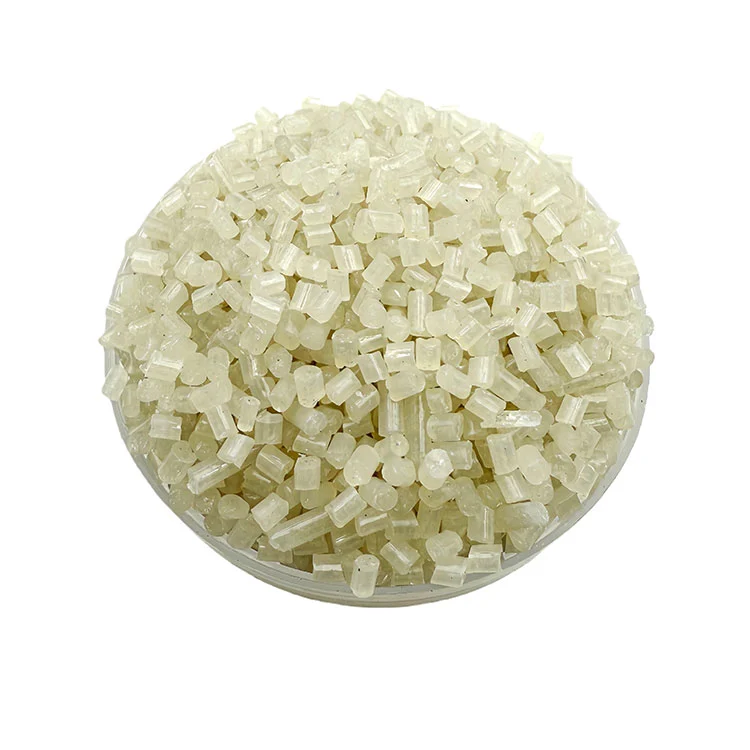
Table of Contents
- What Is Regenerated White PS Plastic Material?
- How Is Regenerated White PS Plastic Material Produced?
- What Are the Key Advantages of Regenerated White PS Plastic Material?
- Where Can Regenerated White PS Plastic Material Be Applied?
- How to Choose Reliable Regenerated White PS Plastic Material?
- Comparison Between Virgin PS and Regenerated White PS Material
- Frequently Asked Questions About Regenerated White PS Plastic Material
- Conclusion
What Is Regenerated White PS Plastic Material?
Regenerated White PS Plastic Material is a recycled polystyrene-based material produced by processing waste PS plastics through sorting, cleaning, crushing, melting, extrusion, and pelletizing procedures. Unlike traditional virgin polystyrene, regenerated PS materials reuse existing plastic resources, reducing environmental impact and supporting circular economy development.
White regenerated PS plastic pellets are especially popular because of their clean appearance, stable physical properties, and wide compatibility with various manufacturing processes. The material can be customized according to different application requirements, including color consistency, impact resistance, flow performance, and processing stability.
With increasing global demand for sustainable manufacturing, regenerated plastic materials have become a practical choice for industries that need environmentally responsible solutions without significantly increasing production costs.
How Is Regenerated White PS Plastic Material Produced?
The production of high-quality regenerated White PS Plastic Material requires strict control throughout the recycling process. A professional recycling manufacturer normally follows several important steps:
- Plastic Collection and Sorting: Waste polystyrene products are collected and separated from other plastic types to ensure material purity.
- Cleaning and Removal of Impurities: The collected PS materials are washed to remove dust, oil, labels, and other contaminants.
- Crushing and Granulation: Clean PS waste is crushed into smaller pieces for efficient processing.
- Melting and Extrusion: The recycled plastic is melted under controlled temperatures and processed through extrusion equipment.
- Pelletizing and Quality Inspection: The final regenerated PS pellets are shaped, tested, and classified according to customer requirements.
Advanced recycling technology helps maintain consistent material performance and ensures that regenerated PS pellets can meet the requirements of different downstream applications.
What Are the Key Advantages of Regenerated White PS Plastic Material?
Regenerated White PS Plastic Material provides multiple benefits for manufacturers, brands, and environmental initiatives. Its advantages include:
| Advantages | Description |
|---|---|
| Environmental Sustainability | Reduces plastic waste and lowers dependence on virgin petroleum-based resources. |
| Cost Efficiency | Provides a more economical alternative compared with fully virgin PS materials. |
| Stable Processing Performance | Maintains good melt flow characteristics for injection molding and extrusion applications. |
| Customizable Properties | Can be adjusted for color, hardness, impact strength, and processing requirements. |
| Wide Application Range | Suitable for packaging, consumer products, electronics components, and industrial parts. |
For companies looking to improve sustainability goals, recycled PS materials provide a balance between environmental responsibility and industrial practicality.
Where Can Regenerated White PS Plastic Material Be Applied?
Due to its lightweight structure, good rigidity, and excellent molding performance, regenerated White PS Plastic Material is widely used in various industries.
- Packaging Industry: Used for disposable containers, protective packaging components, food packaging structures, and trays.
- Consumer Products: Suitable for household items, storage products, stationery, and daily-use plastic goods.
- Electronic Components: Applied in plastic housings, internal components, and protective parts requiring stable dimensions.
- Industrial Manufacturing: Used for mechanical parts, product shells, and customized plastic components.
- Recycled Product Manufacturing: Supports brands producing environmentally friendly products with recycled content.
Manufacturers can select regenerated PS materials based on specific requirements such as strength, appearance, molding temperature, and final product application.
How to Choose Reliable Regenerated White PS Plastic Material?
Choosing a qualified regenerated plastic supplier is essential for maintaining production stability. Buyers should evaluate several important factors before purchasing:
- Material Purity: High-quality regenerated PS should have low impurity levels and consistent composition.
- Stable Performance: The supplier should provide materials with reliable mechanical properties and processing characteristics.
- Professional Production Capability: A mature factory should have advanced recycling equipment and strict quality control procedures.
- Customization Ability: Different industries may require customized colors, specifications, and performance adjustments.
- Quality Inspection: Regular testing of melt flow rate, impact strength, moisture content, and appearance helps ensure consistency.
Working with an experienced regenerated plastic manufacturer can help companies achieve both supply reliability and sustainability targets.
Comparison Between Virgin PS and Regenerated White PS Material
| Comparison Item | Virgin PS Material | Regenerated White PS Plastic Material |
|---|---|---|
| Raw Material Source | New petroleum-based resources | Recycled PS plastic resources |
| Environmental Impact | Higher resource consumption | Supports waste reduction and recycling |
| Production Cost | Usually higher | More cost-effective for many applications |
| Application Flexibility | Widely used in traditional plastic production | Suitable for many recycled-content applications |
| Sustainability Value | Limited | Higher contribution to circular economy development |
Frequently Asked Questions About Regenerated White PS Plastic Material
1. What is regenerated White PS Plastic Material made from?
Regenerated White PS Plastic Material is mainly produced from recycled polystyrene waste, which is processed through cleaning, sorting, melting, extrusion, and pelletizing technologies to create reusable plastic pellets.
2. Can regenerated PS material replace virgin PS?
In many applications, regenerated PS can replace part of virgin PS depending on product requirements. Its suitability depends on factors such as strength, appearance requirements, processing conditions, and industry standards.
3. Is regenerated White PS Plastic Material environmentally friendly?
Yes. By recycling existing PS waste and reducing the demand for new raw materials, regenerated PS contributes to lower plastic waste generation and supports sustainable manufacturing practices.
4. What industries commonly purchase regenerated PS materials?
Industries including packaging, consumer goods, electronics, household products, and industrial manufacturing commonly use regenerated PS materials because of their balance between performance and sustainability.
5. How can buyers ensure regenerated PS quality?
Buyers should cooperate with experienced suppliers that provide consistent production processes, quality inspections, customized solutions, and reliable technical support.
Conclusion
Regenerated White PS Plastic Material is becoming an important solution for companies seeking sustainable plastic alternatives with reliable performance. Through advanced recycling technology, strict quality control, and customized production capabilities, regenerated PS materials can meet diverse industrial needs while supporting global environmental goals. Choosing a professional supplier like JUWU allows businesses to access stable recycled plastic solutions designed for modern manufacturing requirements. For more information about regenerated plastic materials, specifications, and customized solutions, please contact us today to discuss your project requirements and receive professional support.