

How Are Recycled Black PS Polymer Pellets Produced and Used?
Abstract
Recycled Black PS (Polystyrene) polymer pellets are increasingly becoming a critical material in modern manufacturing, driven by global sustainability demands, cost optimization pressures, and stricter environmental regulations. These pellets are produced through the reprocessing of post-consumer and post-industrial polystyrene waste, transformed into uniform, high-performance black-colored resin pellets suitable for injection molding, extrusion, and compounding applications. This article provides a comprehensive breakdown of their production process, properties, applications, and key purchasing considerations, helping buyers and engineers make informed sourcing decisions.
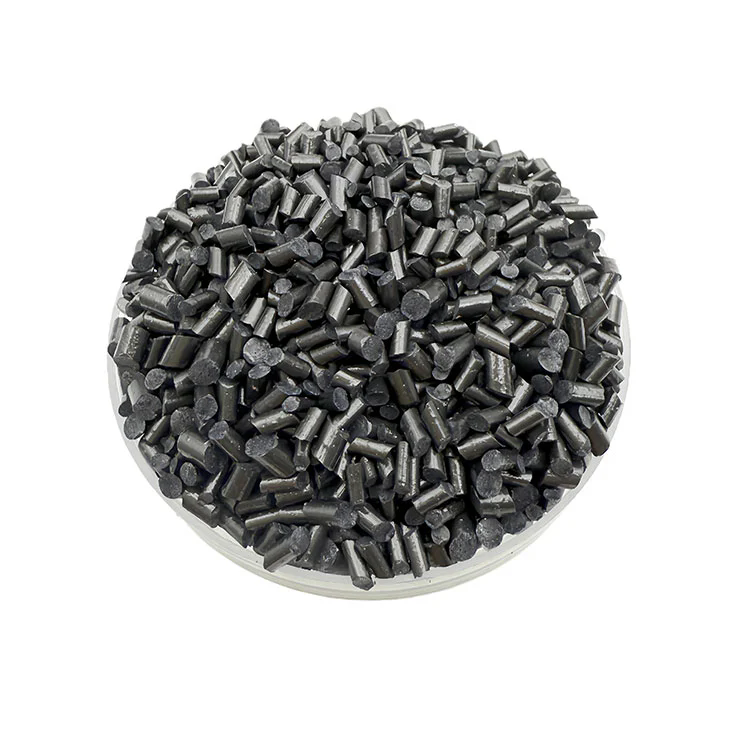
Table of Contents
- 1. Overview of Recycled Black PS Polymer Pellets
- 2. How Recycled Black PS Pellets Are Manufactured
- 3. Key Physical and Chemical Properties
- 4. Industrial Applications and Use Cases
- 5. Recycled vs Virgin PS Material Comparison
- 6. Common Pain Points and Technical Challenges
- 7. How to Select the Right Recycled PS Pellet Supplier
- 8. Frequently Asked Questions
- 9. Conclusion and Procurement Guidance
1. Overview of Recycled Black PS Polymer Pellets
Recycled Black PS polymer pellets are thermoplastic granules derived from waste polystyrene materials such as packaging foam, disposable containers, appliance housings, and industrial scrap. Through advanced recycling and compounding technologies, these materials are converted into stable, reusable pellets with consistent flow characteristics and mechanical strength.
The black coloration is typically achieved using carbon black masterbatch or recycled pigment concentrates, which enhance UV resistance and provide uniform aesthetic appearance for end-use products.
2. How Recycled Black PS Pellets Are Manufactured
The production of recycled black PS pellets involves several carefully controlled stages designed to ensure material purity, consistency, and performance reliability.
Step-by-step production workflow:
- Collection: Post-consumer and industrial polystyrene waste is collected from multiple waste streams.
- Sorting: Materials are sorted to remove contaminants such as PVC, metals, and non-PS plastics.
- Washing: High-pressure washing removes adhesives, oils, labels, and organic residues.
- Shredding: Clean PS waste is shredded into small flakes for processing efficiency.
- Melting & Extrusion: Flakes are melted and extruded through filtration systems to remove micro-impurities.
- Color Compounding: Carbon black and performance additives are blended into the molten polymer.
- Pelletizing: The material is cooled and cut into uniform pellets.
- Quality Testing: Melt flow index, density, and mechanical properties are tested before packaging.
Advanced filtration and degassing systems are critical in this process to ensure that recycled pellets perform close to virgin-grade materials.
3. Key Physical and Chemical Properties
Recycled black PS pellets maintain many of the fundamental characteristics of standard polystyrene while offering improved sustainability value.
| Property | Typical Range | Description |
|---|---|---|
| Density | 1.04 – 1.06 g/cm³ | Provides lightweight structure suitable for consumer goods |
| Melt Flow Index | 2 – 12 g/10min | Determines processing suitability for injection molding |
| Tensile Strength | 30 – 55 MPa | Moderate mechanical strength for rigid applications |
| Heat Resistance | 70 – 90°C | Suitable for low to medium temperature applications |
| Color | Deep Black | Uniform appearance with UV resistance enhancement |
4. Industrial Applications and Use Cases
Recycled black PS polymer pellets are widely used across multiple industries due to their balance of cost efficiency and performance.
- Consumer electronics housings and casings
- Disposable food containers and trays
- Packaging materials and protective inserts
- Household appliance components
- Office supplies such as rulers, folders, and holders
- Automotive interior non-structural components
Their versatility makes them especially attractive for manufacturers aiming to reduce raw material costs without sacrificing product consistency.
5. Recycled vs Virgin PS Material Comparison
| Feature | Recycled Black PS | Virgin PS |
|---|---|---|
| Cost | Lower | Higher |
| Environmental Impact | Reduced carbon footprint | Higher resource consumption |
| Consistency | High with modern processing | Very high |
| Color Flexibility | Limited (black dominant) | Wide range |
| Mechanical Performance | Good | Excellent |
6. Common Pain Points and Technical Challenges
Despite its advantages, recycled PS material presents several challenges that manufacturers must manage effectively:
- Contamination risk: Poor sorting can introduce impurities affecting performance.
- Inconsistent melt flow: Variability in feedstock can influence molding behavior.
- Odor issues: Improper washing may leave residual odors.
- Mechanical degradation: Multiple recycling cycles can reduce polymer chain length.
To overcome these issues, advanced extrusion filtration systems and strict quality control protocols are essential.
7. How to Select the Right Recycled PS Pellet Supplier
Choosing a reliable supplier is critical to ensuring stable production performance and consistent product quality.
- Verify raw material sourcing transparency
- Check melt flow index consistency across batches
- Request technical data sheets and lab reports
- Evaluate production capacity and stability
- Assess customization capabilities (color, additives, MFI adjustment)
A professional supplier should also provide technical support for processing optimization and material selection.
JUWU provides high-quality recycled black PS polymer pellets with strict quality control, stable supply chains, and tailored material solutions. For procurement details and technical consultation, contact us at JUWU to discuss your project requirements.
8. Frequently Asked Questions
Q1: Are recycled black PS pellets safe for food packaging?
A: They can be used in food-contact applications only if they meet regulatory compliance and are processed under certified systems.
Q2: How does recycled PS compare in strength to virgin PS?
A: It typically retains 85–95% of mechanical performance depending on feedstock quality and processing methods.
Q3: Can recycled PS be re-recycled again?
A: Yes, but mechanical properties may gradually decline with each recycling cycle.
Q4: Why is black color commonly used?
A: Black pigment improves UV resistance, masks contamination variability, and provides a uniform appearance.
Q5: What industries benefit most from recycled PS pellets?
A: Packaging, electronics, household goods, and automotive interior component manufacturers benefit the most.
9. Conclusion and Procurement Guidance
Recycled black PS polymer pellets represent a practical and cost-effective solution for industries seeking to balance performance, environmental responsibility, and supply chain stability. While certain processing challenges exist, modern recycling technologies have significantly improved material consistency and usability.
For manufacturers aiming to optimize material sourcing and reduce production costs, partnering with a technically capable supplier is essential. JUWU stands as a reliable provider of recycled PS solutions tailored to industrial needs. For detailed specifications, customization options, and bulk procurement support, contact us at JUWU today.